

Why should I look at SAGE?
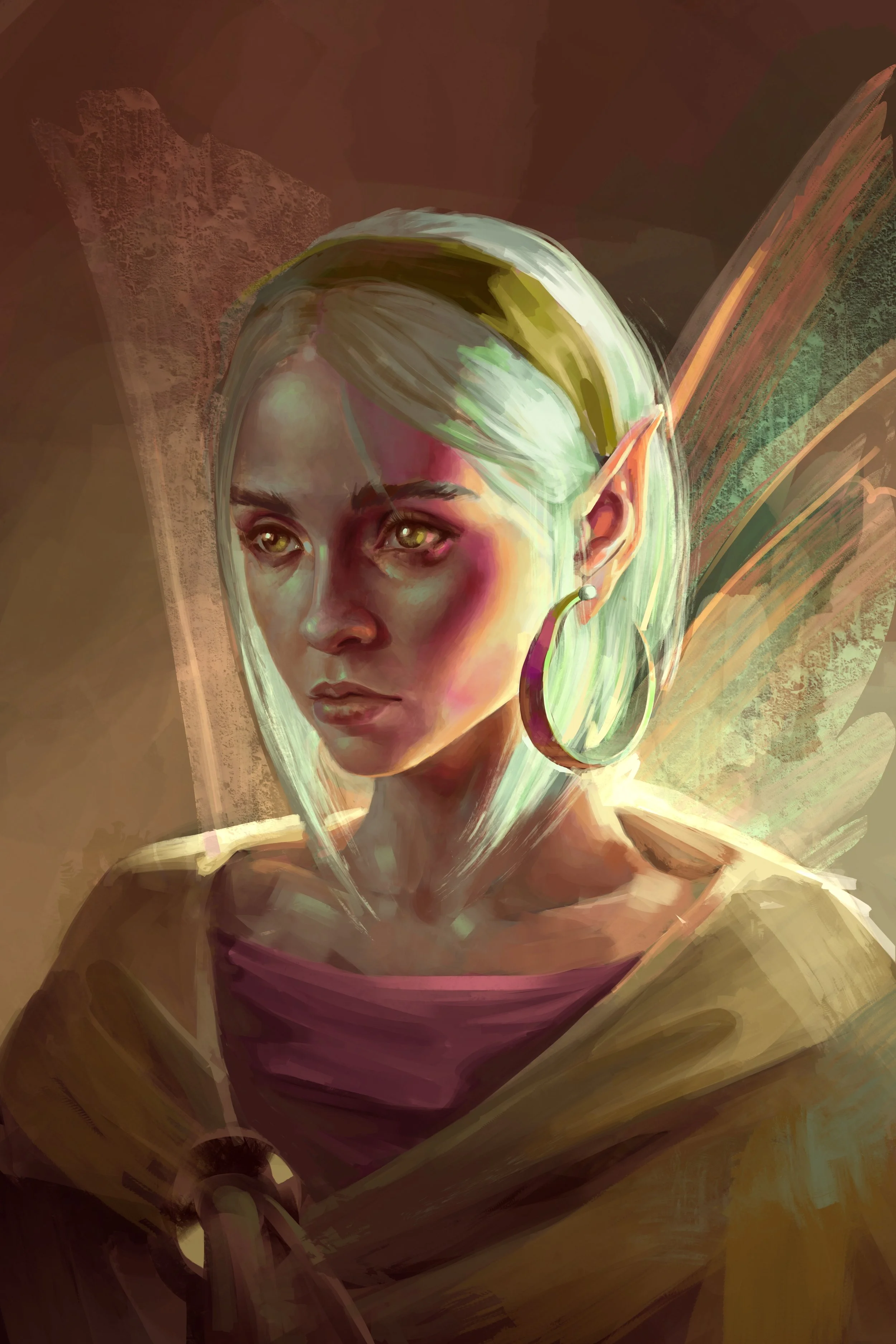
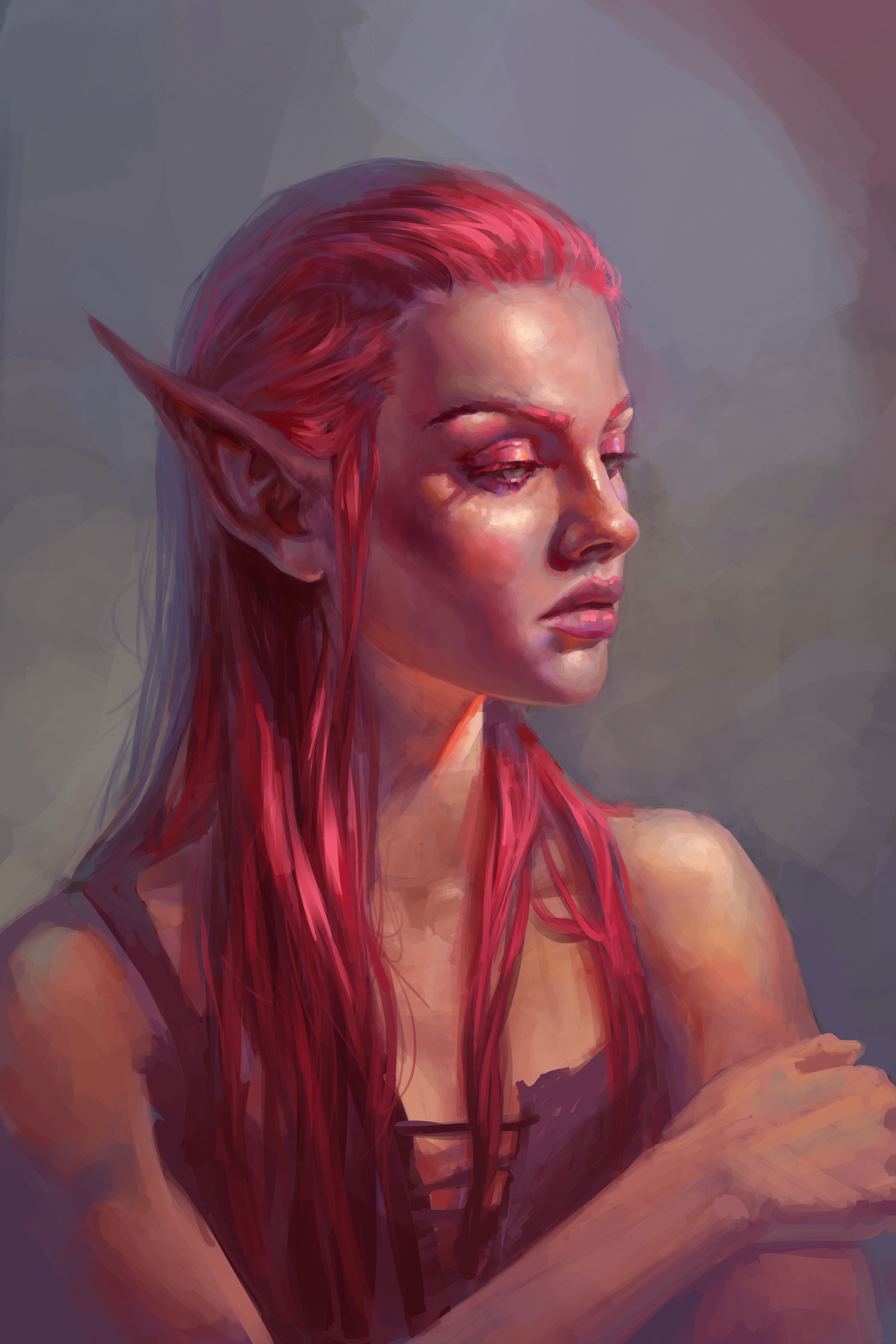
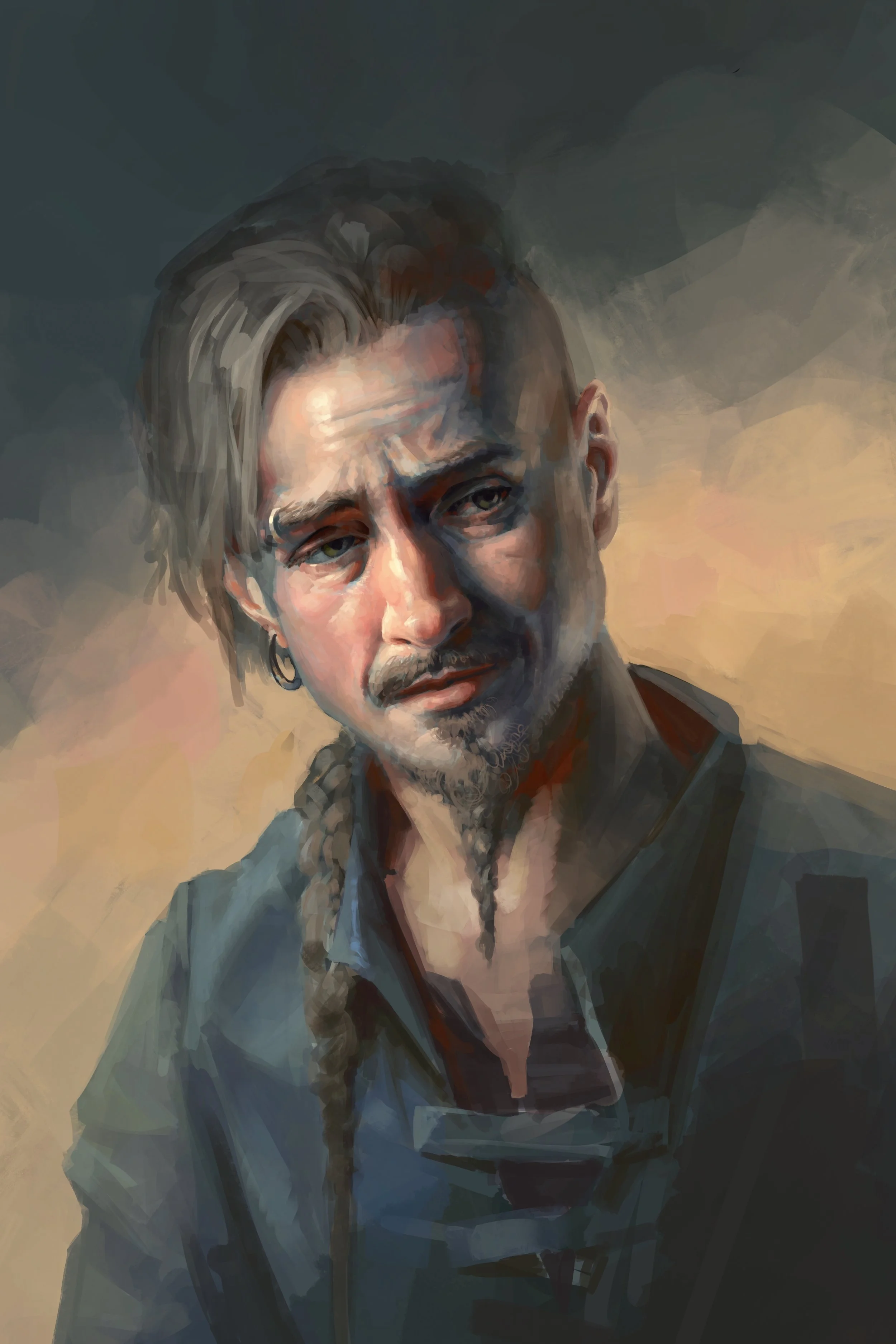
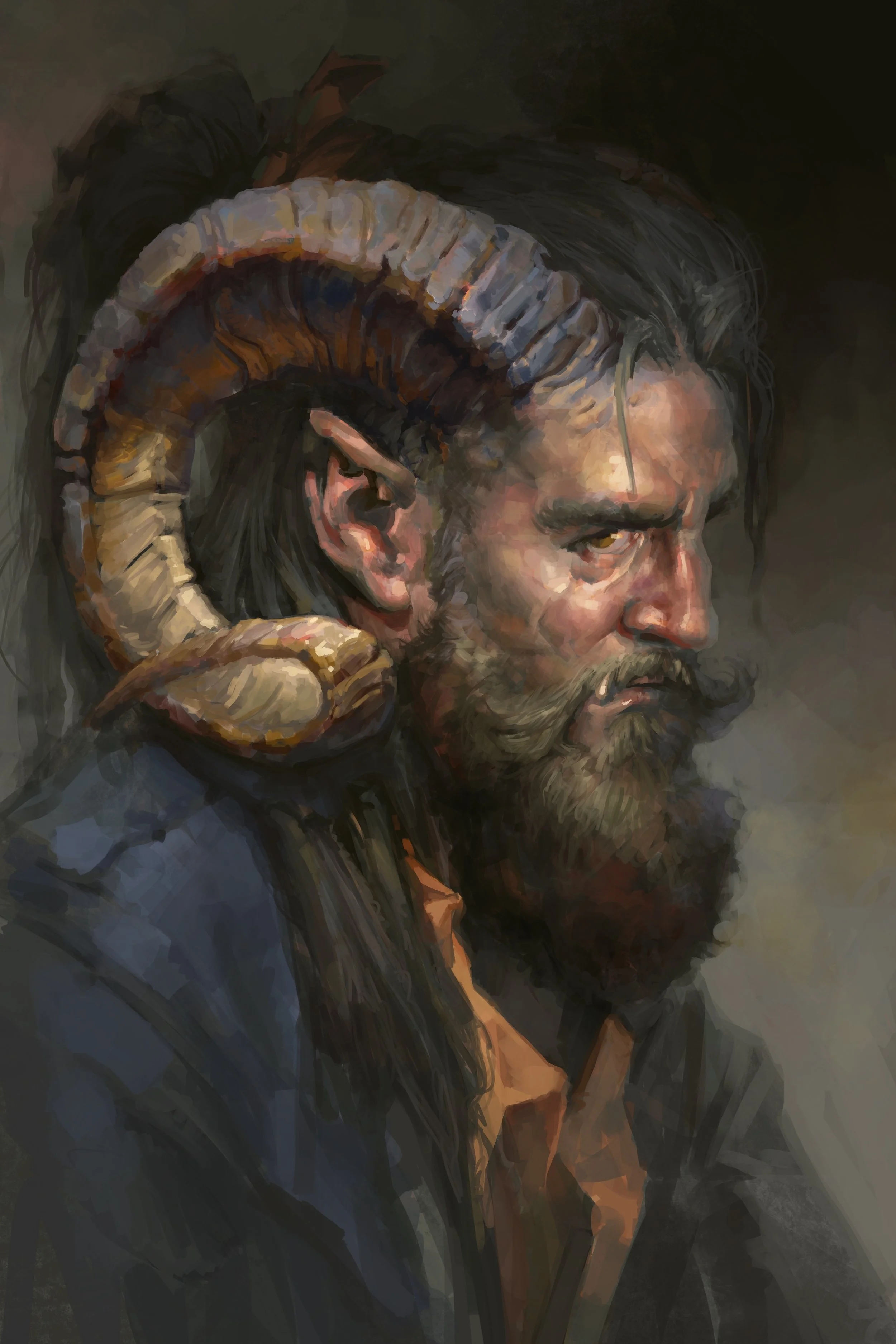
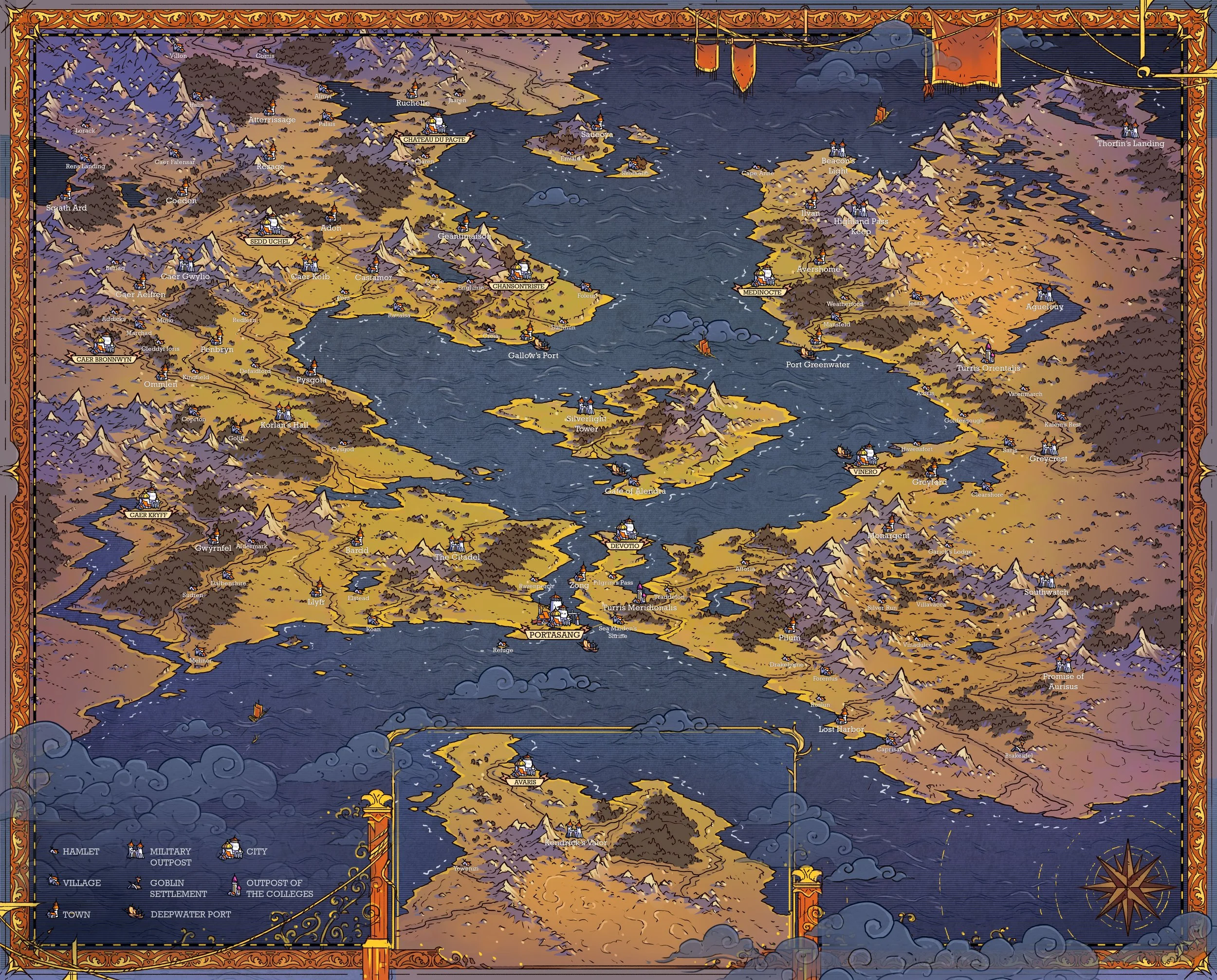
Welcome Wayfarer…
The Saga Advanced Gaming Engine… SAGE
SAGE is a Table-Top Roleplaying Game (TTRPG) System. Older generations may even refer to it as a “Pen and Paper” Roleplaying Game. In all likelihood, you have played a few of these before turning to SAGE. You might have slain some dragons, hacked into corporate databanks, or even fended off elder horrors and struggled with your very sanity. So why SAGE? To answer that question, I want to share with you some of the guideposts, and anchoring points of view we hold. These are reflected throughout SAGE, and its Flagship Game, SAGE: Legend.
What follows are some of the system’s guiding principles…
Respect The Foundations
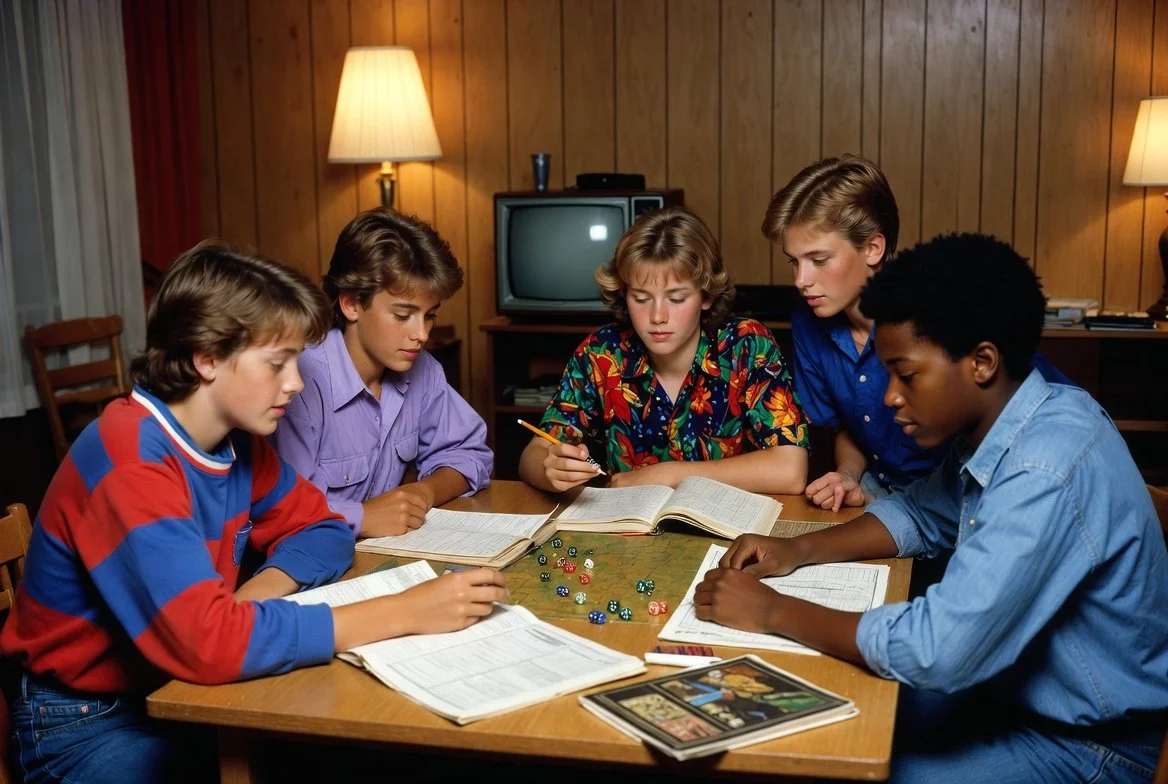
I played my first roleplaying game when I was in middle school, back in 1985. I had been in love with Fantasy literature, having read Terry Brooks, David Eddings, Tolkien, Orson Scott Card, Robert Asprin, Lloyd Alexander, and many others. Roleplaying games made these stories come alive for me in a way that I could never have imagined before.
There are hundreds of TTRPGs in the marketplace today. While some are unique unto themselves, most piggy back on one game, with one ruleset. They may add some color or focus to certain parts of that game, but it is a homogenous milieu, and it is that way by design.
SAGE :Legend respects and appreciates all the games that came before, but it is not part of the Open Gaming License (OGL) or any other collaborative consortium of curated paradigms. It benefits from the decades of games that came before it, eschews their limitations, and seeks to innovate.

Support the Sage…
In a TTRPG, the “DM”, “GM”, or in this game, the “Sage,” is an essential part of the experience. Most games are light on support for the Sage, preferring to give players an unending stream of options to make their characters more powerful, while giving the game manager few options to make the game challenging, interesting, or fun. SAGE equips the Sage with robust systems to manage Combat, Social, Exploration, and Planning Scenes, ensuring the experiences are challenging, creative, and engaging.
It is our true north in SAGE to ensure that while the players control the actions of the heroes of the story, the measure of a hero is in the risks they take, the consequences they suffer through, and the challenges they must overcome. In SAGE, even a well built and min/max focused player will soundly be defeated by their own poor choices.
On the inverse of that, common and everyday characters who one day seek to become legendary can find that victory can be achieved in most situations if they work together with their companions. They will learn that sometimes victory is best achieved tomorrow, and today is reserved for flight.
Killing is not always heroic…
A TTRPG, at its core, is about creative problem solving. It is conflict resolution. All good stories center around conflict. In most TTRPGs, this is reflected in simple and straight forward beats of combat. While SAGE has an immense and unique tactical combat system that will see frequent use, it differs from most games in that a gaming session is not intended to be a string of fighting encounters one after the other. In most games, combat replaces story. In SAGE, combat should be a critical component of the story.
Most games reward players for combat by tying it directly to an advancement model, or “experience points.” You can see this model in most TTRPGs, as well as digital games. SAGE does not award advancement based on combat, which means combat is free to be core to the story, and not a series of choke points for the game.
Some of the most heroic actions a character can take is to make an agonizing choice. To willingly undergo pain, traversity, or hardship, in order to do what is right; even when it is not what is best.
Characters Require Agency…
A good story is not told: it is arrived at. As a player, I want my character to be in control of their own destiny. What I don’t want as a player is to be ushered down a tailored story line in a series of “cut scenes” where I am non-participatory.
As a Sage, I want my stories to be extensions of the characters. The stories we tell at the gaming table are collaborative. I want the players to surprise me with what their characters do. As a Sage, we must create challenges and conflicts, but it is not our role to prescribe their resolution.
Here is a hard truth for the player. Your character’s backstory is not as important as the living story you are telling at the game table. Your backstory justifies your character's presence in the Saga, but their true story is written through the choices they make at the table.
Here is a hard truth for the Sage. Your carefully crafted plot is nowhere near as interesting or as important as you think it is. Unless it deeply involves the characters, it is a boring distraction. Characters drive story.
Language

SAGE is open to all comers. But it assumes you have familiarity with what a TTRPG is. This book will provide minimal information on defining core elements of a TTRPG in detail. Concepts like dice rolling, NPC, PC, how to run an adventure, are given the lightest instruction. We won’t be offended if you prefer to start with something more pervasive or more established, and reserve SAGE for your next step in gaming immersion.
That said, I do want to take a moment to establish for you some critical terms. Language is important, and we endeavor to be explicit.
Campaigns vs. Sagas
Most TTRPGs refer to the collected adventures of the participating characters as a Campaign. This is because the hobby was born from miniature war gaming, and carries with it the nomenclature that gave it life.
We refer to this collection of adventures as a Saga. We do this to be specific. A Saga is the long and detailed account of the heroes, their struggles, exploits, tragedies, and victories. Each character has their own story woven into the Saga at large.
Saga contains promise of epic feats and acts of heroism, while a Campaign is a series of plans and actions designed to meet an objective.
Game Master vs. Sage
In most games, the one in charge of preparing the gaming session, running all obstacles, traps, monsters, and all aspects of the narration, is called a Game Master, Game Manager, or Dungeon Master. In SAGE, we call them “the Sage.” This is partly to weave the core gaming system’s name (SAGE) into the day to day practice of the game. But it is also a term of respect.
Being a Sage, as opposed to a player, is an exercise of passion and commitment. Not everyone can be a good Sage. They derive enjoyment from the game very differently than a player. The Sage wants to challenge the players, but doesn’t seek to “beat” the players. Losing should be something players are fully capable of doing on their own.
The Sage has to juggle a solid understanding of the game mechanics, adjudicate rule clarifications and exceptions, generate or deliver engaging and challenging content for their players, all while navigating the personalities that comprise their gaming group. It is no simple task.
Alignment vs. Conscience
In a TTRPG, a common component is an alignment, or ethics system. This asks the players to assign a morality model to their character, and asks they make gestures in the vein of their modality as they roleplay their character. Often, there is little to no consequence or reason for this in modern gaming.
In SAGE, there is no alignment framework. There is, however, character evolution.
A character can opt to do terrible things. With or without justification. But there can be material consequences to the character for making heinous decisions. Murdering an innocent, betraying the trust of a friend, mercilessly killing in a fit of rage, all of these actions can change a character; sometimes forever, and never for the better.
In SAGE, players have complete agency of their character, and they can weigh those against the scales of consequences as they see fit.
Your Table...
The final anchor for SAGE is to emphasize that when you and your friends get together at your gaming table, your time is precious, and should be spent playing a game you love. “Homebrewing” is the practice of gaming groups tailoring the game mechanics to their playstyle.
Maybe you like the game system, but prefer a world of your own making? Maybe you like the world, but some of the rules get in your way. This is your game when you are at your table. We encourage you to share your perspectives with your peers, and with us! Maybe you can help us update SAGE for the better as time goes on.
Above all else, have fun together!