

Magic
Magic in this game is learned, not inherited. Although, ancestry can indeed play a role. But magic is dangerous, comes at a cost, and that cost is in emotional, psychic, and demonic forces. Mages are feared for this reason, and magic is highly regulated by society. As mages use magic they begin to bleed energies into the physical world, and corrupted mages are easy to identify, and hunted down by the Lictors from the Seat of the Arch Mage. Mages that do not go through formal training (hedge mages) are hunted by the Seat.
There are Classes of Magic, each with multiple Schools.
Spell Slots? Mana? A Mage Needs Not These Things…
Magic is the act of pulling infinite, morphic energy from the vast dimensions of formless spirit, and shaping it in accordance with will in the material world. Mortals are uniquely capable of this act as their Spirit resides in the Physical Reality, while their Soul is present in the formless spirit world. Their Quintessence is a conduit between worlds. The transport for this energy is… Emotion. In SAGE this is called Beacon.
Imagine in the spirit world the soul is bright, multi-colored, and this luminescence serves as a brilliant beacon in the formless void. Dark intelligences and entities are drawn to this battery of life, and seek to corrupt it, or in the case of gods and demons, claim it for their own uses.
To cast a spell, the mage must be roiling in raw emotion. Over time this makes the mage unpredictable, even dangerous, or sometimes mad, as they relive past traumas in unending cycle of generating fuel (Flare) to cast their spells. A mage never resolves their trauma… To do so would gate them away from the power they have learned to wield.
The Mechanics of Spell Casting
All characters have six Beacons, each noted with a color, and each is directly opposed by another. These Beacon colors represent a panoply of emotion, and has a rating of 0 to 10, where 0 means the character is completely devoid of this emotion, and 10 means they are completely and perpetually in the throes of it, and 4 to 6 being deemed “normal.” The further away from normal a character is in a Beacon, the worse off they are, as they begin to suffer perpetual Stress. Stress can only be mitigated by taking up Compensators (drinking, addiction, emotional volatility, generally bad habits), or by adhering to a Path (a code of ethics, a life philosophy, or a religious tradition) that imposes on them a matrix of actions they must, or must never take. Getting in the wagon (failing a compensator) or straying from the Path, brings the Stress roaring back.
Spell Complexity
Spells have a Complexity Rating of 1 to 6. The higher the complexity, the harder it is to cast, or at least cast well. Characters early in their career may have learned very powerful spells, but their lack of training will make the casting of those spells difficult, or at least moot their effectiveness.
Spell Cost (Flare) and the Gates
Spells require fuel to cast. The more powerful (higher Complexity) the spell, the more fuel it needs. This fuel is called “Flare.” Flare shares a Beacon Color. Characters generate Flare by doing things appropriate to the Flare, or if a mage, by “Opening the Gates.” There are 9 Gates, and it is relatively safe for a mage to open the first three, but each Gate after that exposes the mage to blowback, disruption, pain, or worse. Each Gate is bound to a Beacon Color. By opening a Gate, the mage relives an old emotional trauma associated with that Beacon, but gains an amount of Flare in it. They may then spend this Flare to cast spells.
While opening a Gate is relatively easy and quick, closing gates takes time, and is taxing, inflicting Strain on the mage. Gates must be closed one gate at a time, beginning with the highest rated Gate opened. The higher the Gate level, the more Flare is granted, and the deeper the trauma.
Modalities
Channeling and drawing down immense energies requires more than just thought and will. Systems of magic have developed to codify the process through modalities. There are five broad modalities: Raiment, Implements, Tokens, Intonations, and Gestures. Each mage must use three modalities when they cast a spell, or do a ritual. Each system of magic will have rules detailing which modalities are supported, and how they are used. But Hedge Mages (those with no official system), can leverage any three Modalities of choice when casting a spell. Mages must have three (3) modalities in use to cast a spell. For each Modality not leveraged, the spell requires +3 Flare to cast. A Mage who is trying to cast a low Flare spell with a cost of 1, who does so with only one modality, would have to pay a steep cost of 5 Flare (+4 for only having 1 Modality active). There is no mechanical benefit to having more than three modalities active.
Raiment
A Raiment is a uniform, or obvious apparel. To the Selifren Mage this is their Selifren Crystal. To the Hekikarian this is their articles of Mortification. A Raiment should be obvious and worn against the skin. Clothing, adornments, robes, or obvious accessories, can be considered Raiments. They must be worn prominently to be counted as a Modality.
Implements
An Implement is a held device. It must be held in hand to be considered an Implement. The Ddewin treat their staff as an Implement. The Hekikarian uses their Jagged Knife. The Implement can also be a weapon, or have some other utility apart from being an Implement.
Tokens
A Token Modality is a disposable, or consumable item, that is expended or used when a spell if cast. These items are often kept in pouches at the belt of the mage. While the Token need not be expensive, nor particularly exotic, it should also not be easy to gather. This can be simulated by simply having the mage spend a silver piece every so often to replenish their tokens, or take time to gather them during their downtime.
Intonations
An Intonation is a chant, phrase, or some other evocation of word or sound. The Sahari Callers repeat ancient rhymes, and the Ddewin utter their words of power, as examples of an Intonation. Using an Intonation makes it clear you are casting a spell to anyone within Earshot. Being Mute prohibits you from using the Intonation Modality.
Gestures
Casting with Gestures requires the mage have a free hand to make hand signs, or weave wildly with body movements. Being Restrained prohibits you from using the Gestures Modality. While not common in the Bloodvale, it is said the far eastern mages of Kalistan, or the Vagande of Shaden, make prominent use of Gestures when casting.
Animism
Animism, or Animancy, follows that within everything resides a spirit, or the potential to house a spirit. Animism is the manipulation, or implantation, of spirits inside of the world, to drive them to your own ends. Wielders of this class of magic are broadly called “Animists”. Animancy is the most prevalent class of magic in the world, and most mages know at least some Animism spells.

Apsychomancy School
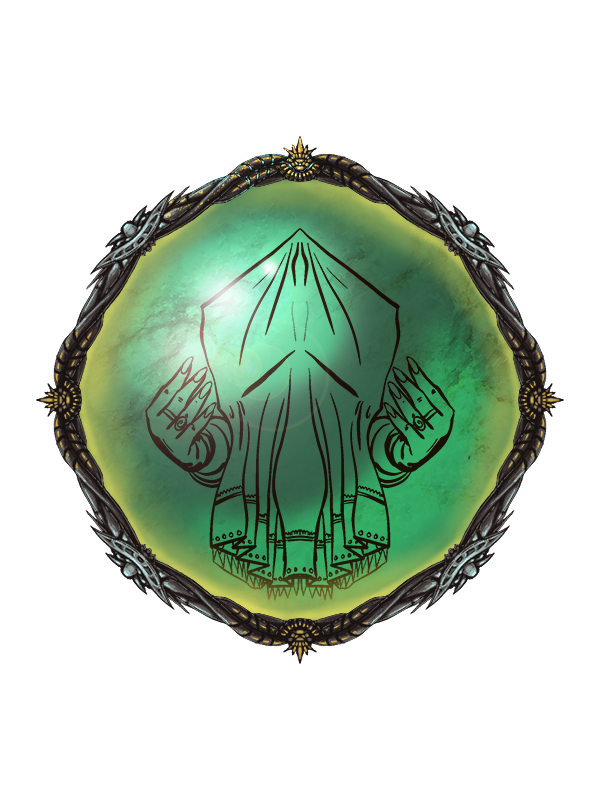
The spirits of the inanimate, manufactured things, and the wholly inert. Apshychomancy is the birthplace of constructed animants, golems, and magical machinery and their operation.
Necromancy School
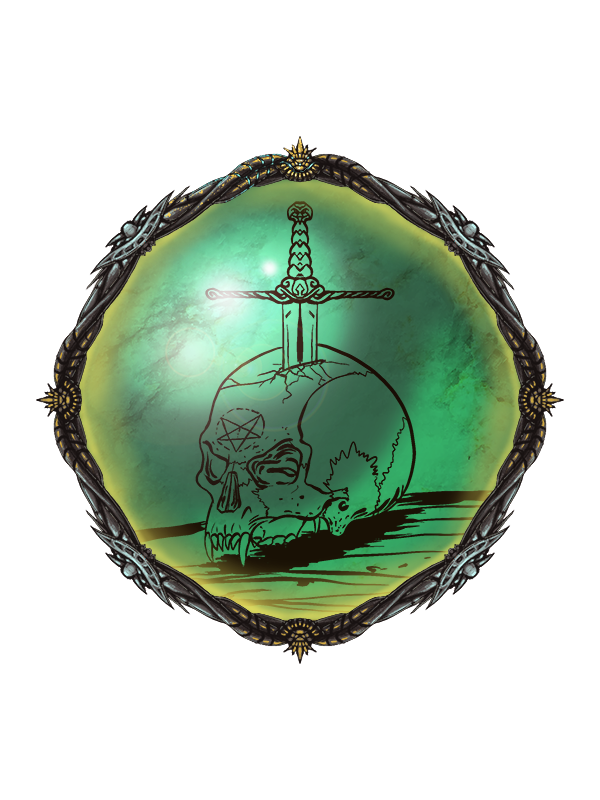
The spiritual residue of the recently dead, the binding of souls severed from the material, and the animation of corpses and skeletons. Necromancy governs the realm of the dead.
Phytomancy School
The spirits within plants, trees, and flora; Phytomancy manipulates nature itself. This can cause plants to spontaneously grow, and blossom, or to animate, or wither away.
Zoomancy School
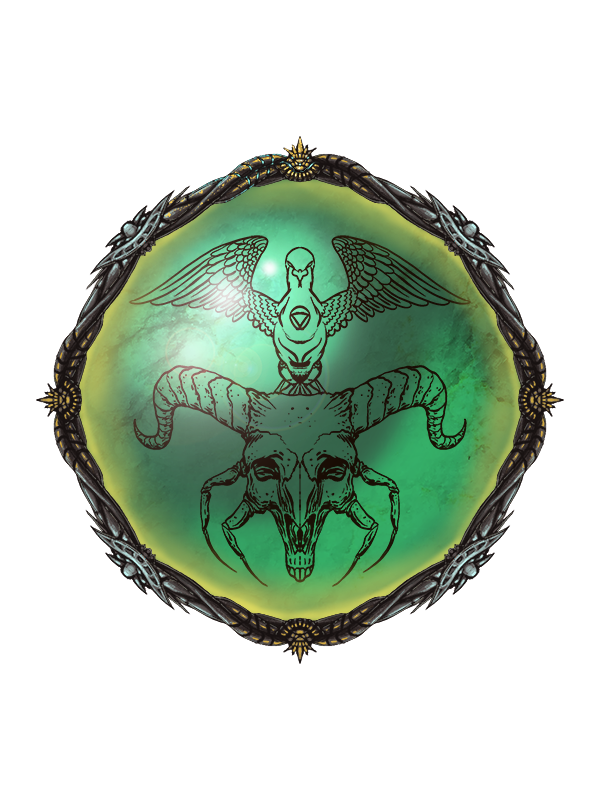
Zoomancy is the manipulation of the spirits and intelligences within animals, and fauna. It can allow you to perceive through their senses, control their actions, or awaken their spirits to a more powerful form.
Eldritch
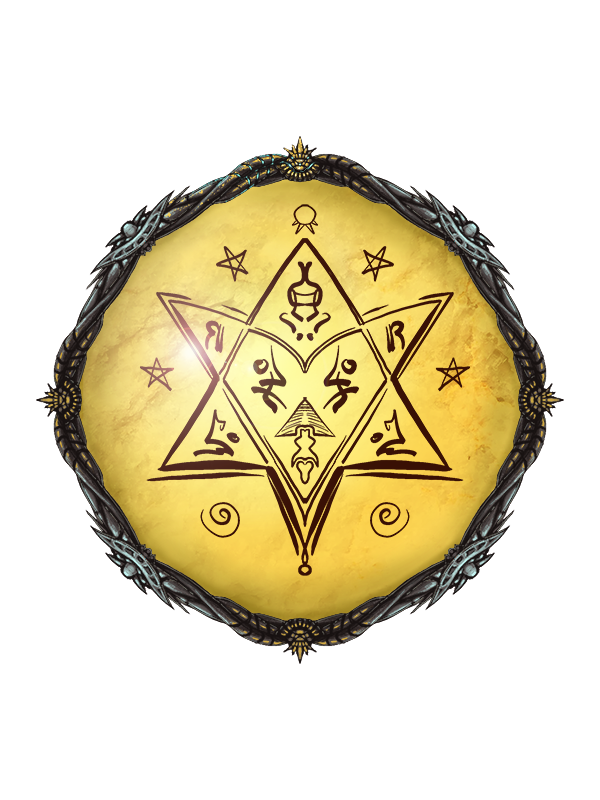
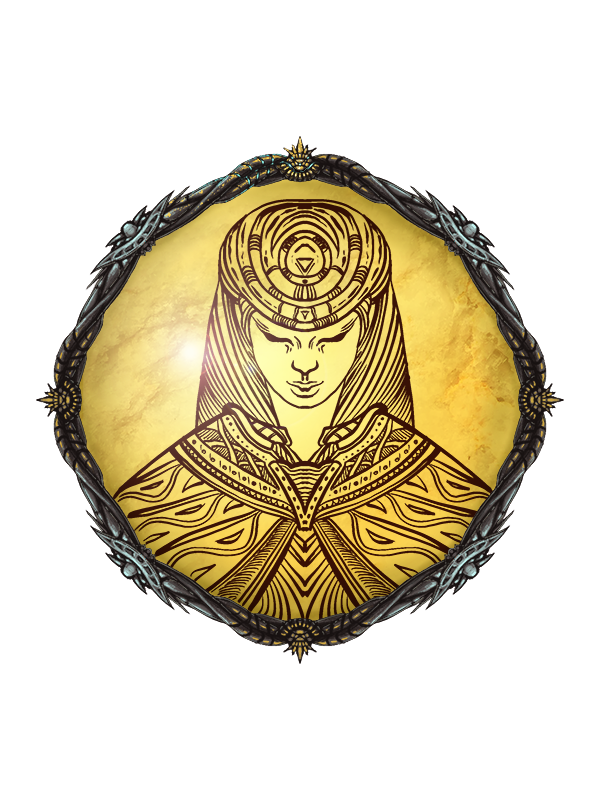
Eldritch magic, or more colloquially, Witchcraft, derives its power from the realm of the Fae. Fae magic is feared by many because it focuses on illusion, curses, probability, and trickery. Those who practice its arts are often referred to as a “Witch” if a female, or a “Warlock” if a male. Many lords outright forbid it in their realm, but even those same lords often employ a Witch on their payroll.
Charms School
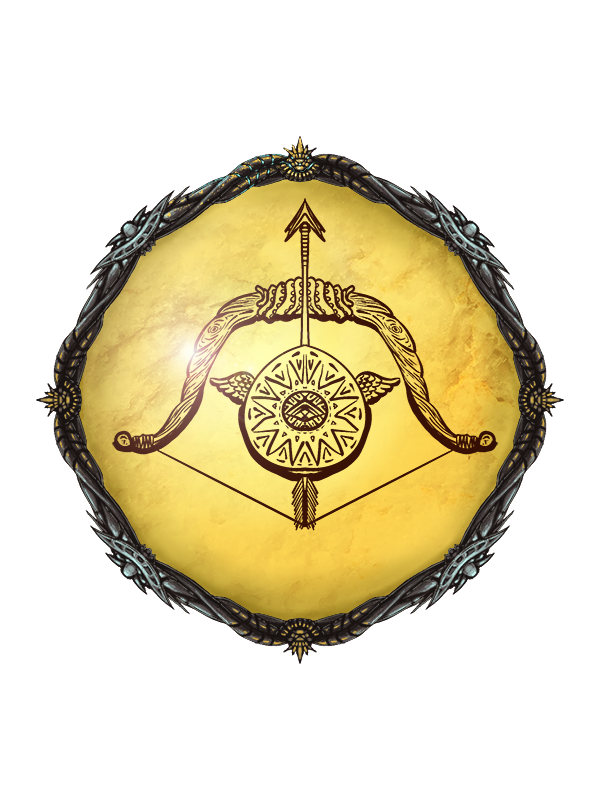
Charms are spells and rituals that bring good fortune, or amplify effort, or chance. They are used to inbue a blade with etheric power before it strikes, fix the erratic flight of an arrow, or bring comfort to the infirm.
Dreaming School
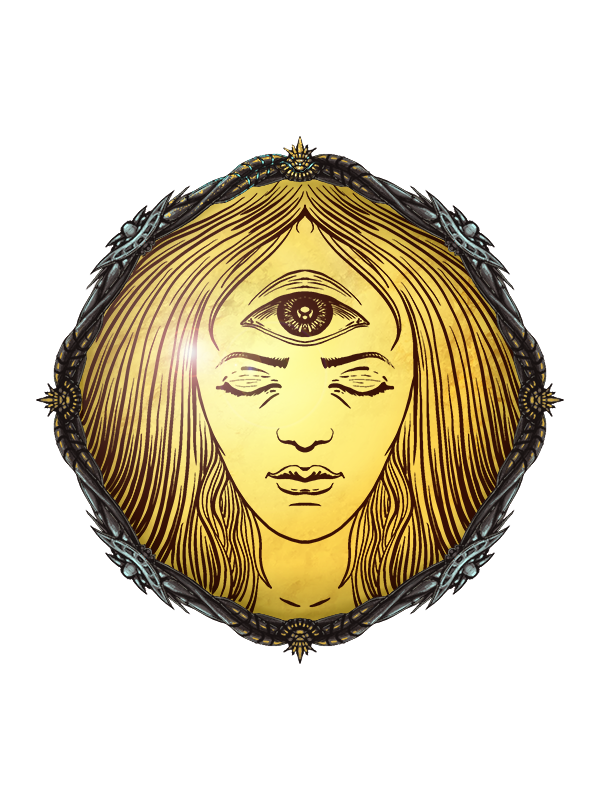
Dreaming is the world of night, shadows, dreams, and prophecy. Through dreaming you can interpret auras, cause mental delusions, summon shadows, or even sever a mortal’s link to the spirit world for a time.
Hexes School
Hexes bring mayhem, misfortune, and malediction to their targets. Through curses come sleep from which there no waking, the sickly glare of the evil eye, and the snapping of bowstrings.
Glamours School
Glamours has to do with light, illusion, and psychic communication. It can confuse the mind as it does the eyes.
Elementalism
Elementalism brings the raw energy of the spiritual world into the material world by converting it into elemental structures and forces. “Elementalists” are feared combat mages, and some are even called “War Mages” to denote their principal purpose in the current age.
Aeromancy School
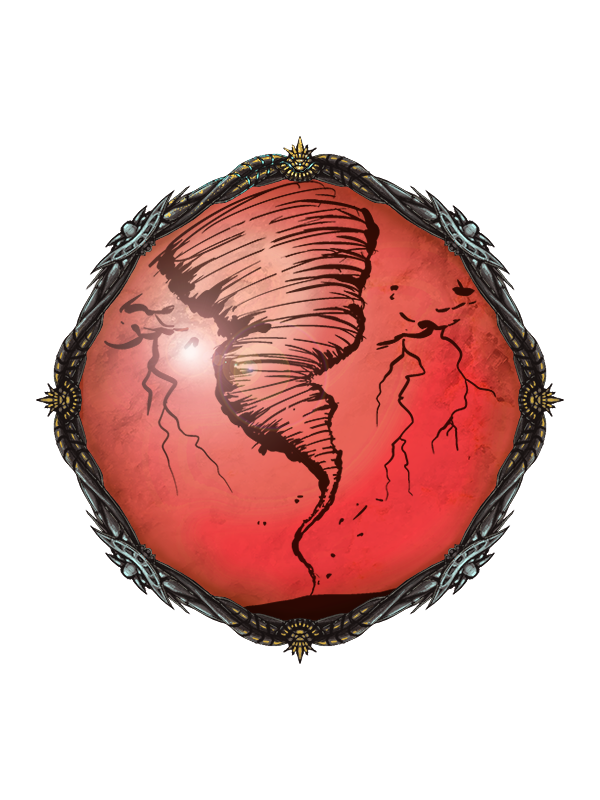
The harnessing of wind, storms, and lightning, Aeromancy is easily the most theatric and frightening displays of magic. Aeromancers have been known to shield themselves from arrows, call lightning down from storms, and poison the very air.
Geomancy School
Perhaps the most under used schools of magic, Geomancy derives its powers from the foundation of the earth. The soil, the rock, the mountains themselves, and the materials that hide within it, are the domain of the Geomancer. While not as obvious as Aeromancy, or Pyromancy, the Geomancer can be the most powerful of them all.
Hydromancy School
Water is perhaps the most potent element. Its ability to destroy can come in crashes, or over time, but in either case, it is inexoerable. Hydromancy can freeze water, agitate it, or imbue within it magical properties.
Pyromancy School
Easily the most destructive, Pyromancy governs the summining and control of fire and heat. Few lords would dare go to battle without Pyromancers supporting their lines. Pyromancers can cause people to combust in flames, hurl bolts of flame, or fling sheets of fire across the fields from afar.
Sorcery
Sorcery is the communication with unseen intelligences, and the infinitely morphic realms in which they reside. Sorcery also manipulates spectral forces and the composition of spiritual energies made manifest in the world, known as Quintessence. Practitioners of this art are colled “Sorcerers,” although the uninitiated have been known to call them Diabolists, and Consorters.
Alchemy
Alchemy is one part personal philosophy of self improvement, one part tutelage from unknown intelligences, and one part chemical mastery. Alchemists can extract and manipulate Quintessence to imbue it into potions, compounds, and change material structures.
Conjuration School
Conjuration is the manipulation of time, and space, allowing the Sorcerer to summon objects to his presence, or to teleport himself, or others, across distances in a blink of an eye. Conjurers can be unpredictable in combat, moving themselves, or their opponents, at whim.
Demonology School
Demonology is the magic of consorting with extra-planar intelligences, drawing on their powers, and their realm, and the manipulation of the energies inherent in a mortal soul. It is among the most feared, mistrusted, and alien magics in the world.
Telekinesis School
Telekinesis is the direct manipulation of the unseen energies of the world, and using this spiritual pressure to push, pull, and grip in the material world. It is useful for both defense, as well as offense.
Glyphs
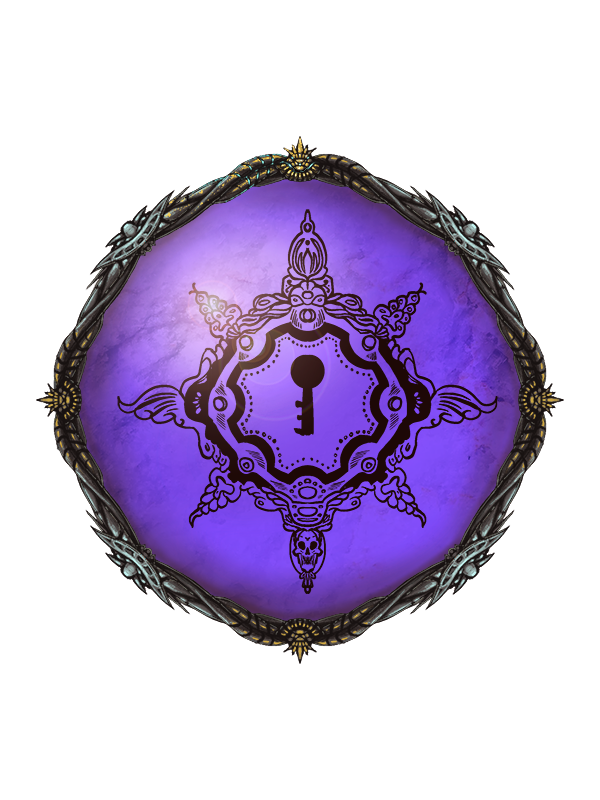
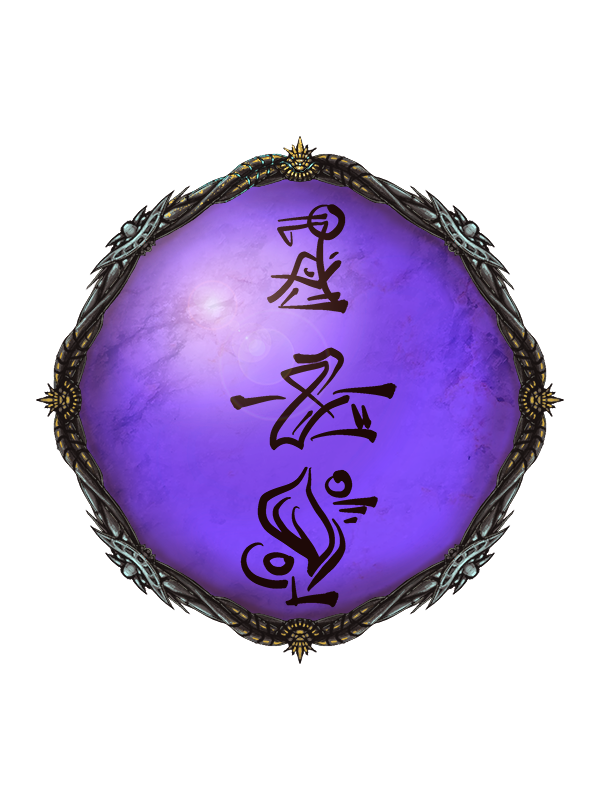
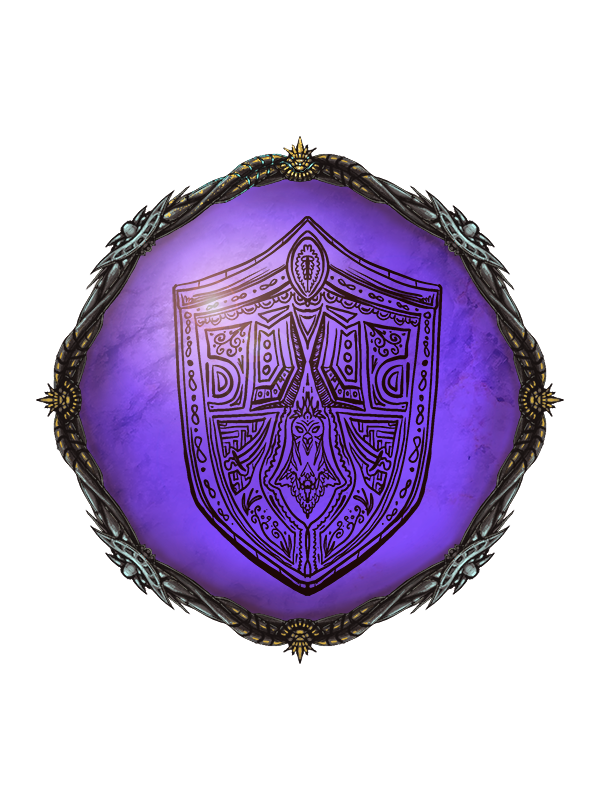
Glyph Magic is the drawing of signs in the world to direct, infuse, imbue, or ward away magical energies.
Circles School
Circles draw magical energy into the circle and can alter how those energies function within the confines of the circle.
Wards School
Opposite of circles, wards push magical energies away, impeding, and making things less effective while within the warded area.
Sigils School
Sigils are markings made on the body that provide the bearer of the marks magically imbued powers. They can stave away hunger, strengthen the body, make swift their gait, or protect them from dark forces.
Seals School
Seals are programmatically structured weaving of spells, allowing them to be cast when conditions and circumstances align. They are effective for traps, protecting areas, or delaying the effects of a spell.
